
It is a truism in science that the more you learn about something the more you know you don’t know. This can make talking to a scientist frustrating. A scientist will rarely tell you something without immediately telling you why it is probably wrong and that more work is needed. A good example of this comes from the field of microbiology. Over the 500 years or so since the beginnings of the scientific revolution we have identified about 40,00 species of microbes. This sounds like a lot but it probably represents only 0.1% of the microbial species on the planet, that is there is another 99.9% of microbes yet to be identified. We don’t really know to be honest1, but some estimates are that there are between a trillion and a quadrillion species of bacteria on Earth2.

These a very large numbers. A trillion is one with twelve zeroes after it; a quadrillion seconds is roughly 31 million years. Microbes could make up to 90% of the species on earth and yet we think we rule the earth; microbes could make a very good case that multicellular species are some strange afterthought of a microbial creator. A consequence of all these species is an incredible amount of microbial diversity. Even with our limited knowledge we understand this already because microbes impact our life in diverse and contradictory ways. Different microbes cause the depressingly wide variety of human disease, specific bacteria in our microbiome can prevent disease, or cause it by their absence, and the same bacteria can be beneficial in one part of our body but deadly in another.
Microbial diversity also has a big impact on our food. We all know that fermentation plays an important part in preserving and flavouring our food. What we, as consumers, don’t think about too often is which microbes are doing the fermentation. Yeasts, for example, apart from alcohol produce the fruity esters that you encounter in sourdough bread, different bacteria utilise lactic acid fermentation, that gives yogurt and sauerkraut their flavour, or acetic acid fermentation, the taste of vinegar. The flavour of things like cheese, soy sauce, beer and wine are all a consequence of the microbial mix used in their production. Wine, cheese and beer makers are all very aware of which microbes are needed to maintain the quality and flavour of their product. Beer makers for example, since the 16th century at least, have used specific yeast cultures to control the flavour of their beer.

One exception to this is chocolate. In chocolate production cacao beans are harvested and fermented for several days before being dried and roasted. The fermentation step is a crucial part of chocolate production; without it chocolate is bitter and astringent. Unlike other fermented foods, though, chocolate makers do not inoculate the beans with a culture. They rely on environmental microbes to start the fermentation process, like when you create a sourdough starter. This means that chocolate from different geographical locations can have distinct flavours because of differences in the microbial environment and thus the microbial composition during fermentation.
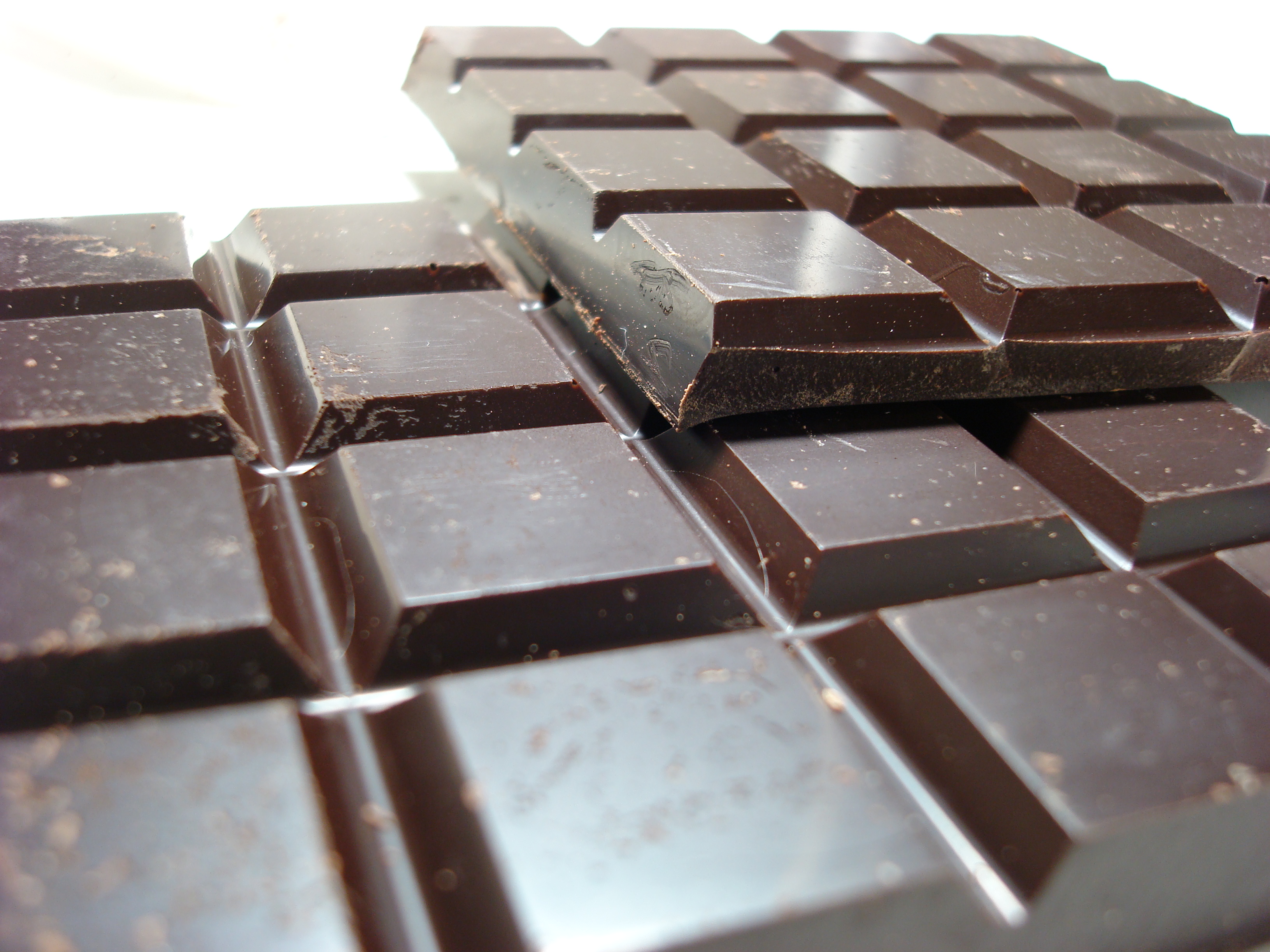
Another consequence of chocolate making’s reliance on environmental inoculation is that we have very little idea which microbes are contributing to the flavour of good chocolate or how variations result in different flavour profiles. Until now that is. Some recent research has made a large contribution to our understanding of fermentation in chocolate production.
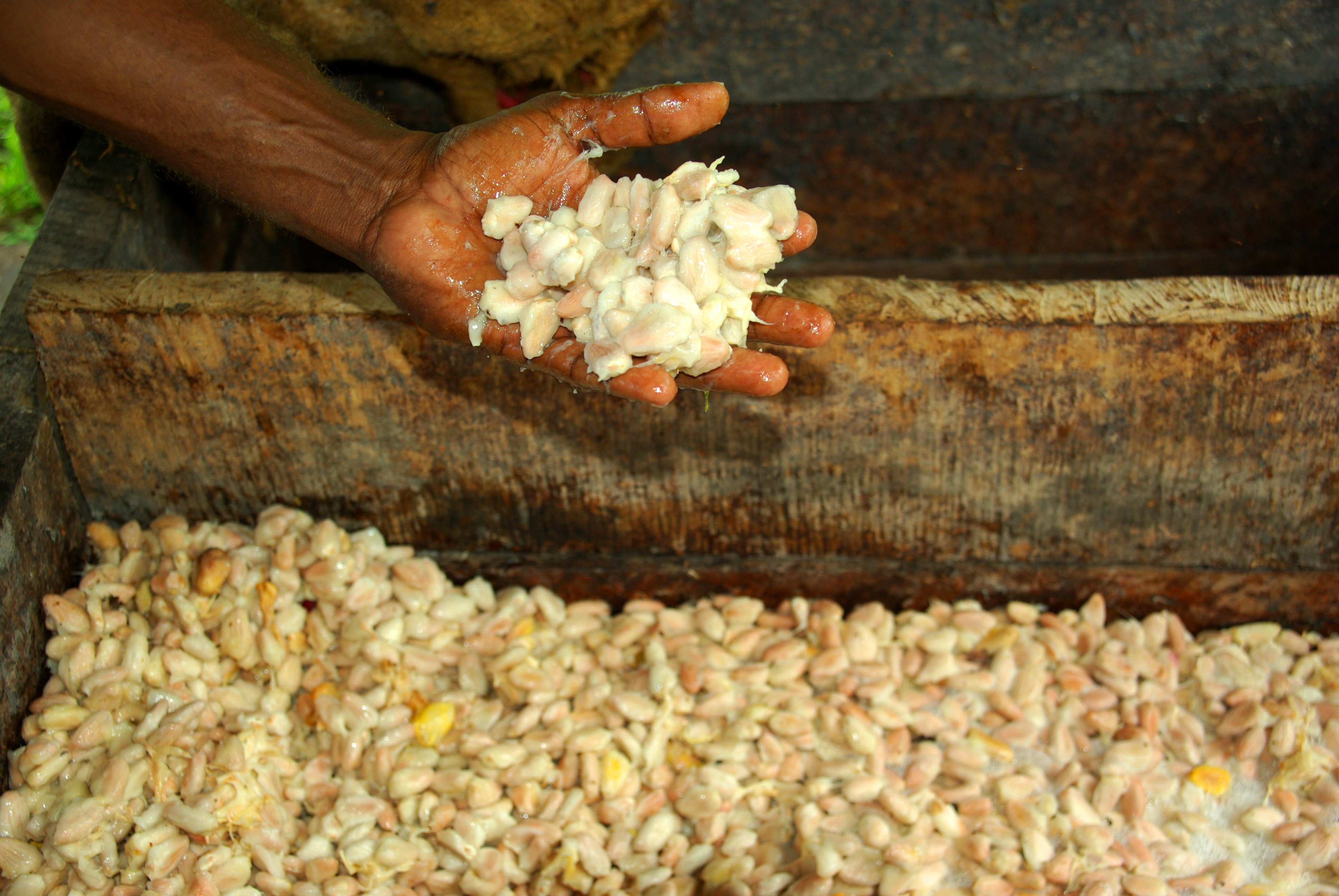
In this study researchers took chocolate from various locations, with different flavour profiles, and worked out which microbes were present in each sample. To do this the authors used a technique called metagenomic analysis in which all the DNA in an environmental sample, in this case chocolate fermentation mixtures, is sequenced (that is the A, G, T and Cs that make up a DNA sequence are determined). For technical reasons, involving the length of sequencing ‘reads’ called contigs that are generated, the method used allowed microbial genomes to be assembled thus giving an indication of the microbial content of the fermentation mix3. Using this approach the researchers identified 55 microbial genomes present during chocolate fermentation.
The sequence data also allowed the researchers to identify proteins, by decoding their DNA sequences, that are typically involved in fermentation processes. Combining the species and metabolic pathways data the researchers were able to select nine microbe species (5 bacteria and 4 fungi) that covered 55% of the species variation and ~95% of the metabolic pathways identified as important for flavour development. That is the the researchers selected a subset of microbes that provided almost all the functionality identified as important for flavour development.
The researchers created isolated cultures of the nine microbes and so were able to produce chocolate using a microbial mixture that only contained those microbes and it displayed the same flavour characteristics as traditionally produced chocolate. This is a pretty good result. Identifying the microbes most responsible for chocolates flavour is a big advance. But what is more exciting is the potential that this approach has for further experimentation.
The baseline microbial mix not only provides a starting point for developing new flavours but it can also be used as a powerful tool for better understanding chocolate fermentation. In this study, for example, the researchers conducted experiments in which they produced chocolate using their microbial mixture but they systematically left one microbe out of the mix; a ‘leave one out’ approach that both confirmed that each microbe in the mix was required for the full flavour of chocolate and identified the flavour characteristics that that microbe contributed to chocolate. The technical name for this type of analysis is called ‘combinatorial’ and a more comprehensive combinatorial approach using all the microbes found in fermenting chocolate will provide more flavour information.
This is not the end of this story, although this work has contributed a huge amount of knowledge to what is going on in chocolate fermentation there may be metabolic pathways we aren’t aware of that are contributing to chocolate’s flavour. There are also likely to be microbes that weren’t captured by the sequencing methodology, some potential microbial genomes were discarded because they weren’t complete enough, and some metabolic pathways may not have been captured because of complications in assembling eukaryotic genomes (yeasts have multiple separate chromosomes which makes them harder to capture using this method when compared to bacteria that only have a single circular chromosome). Nonetheless this methodology and the microbial species identified in the study are a big step forward for better controlling chocolate fermentation and developing new chocolate flavours.
Footnotes
- See how it works. ↩︎
- See here and here for some estimates of bacterial species diversity. ↩︎
- The sequencing technology used in the study is a very cool technique where DNA strands are passed through a pore that has an electric current spanning the pore. The different base pairs of the DNA disrupt the current in different ways and so each one can be identified as it passes through the pore. It’s called nanopore sequencing and there is a good video about halfway down this page if you are interested. ↩︎


 The Science of Food


Leave a comment