
Sex has always been something of a problem for human societies. Love, marriage, children and the passage of assets from one generation to the next has always been a primary human preoccupation. Yet in all these endeavours sex and sexual attraction lurks like the drunk uncle at a wedding; unpredictable, inconvenient but impossible to ignore. Decision making around things like marriage, children and sometimes even love do not necessarily take sex, or sexual compatibility, into account. The many medieval monarchs who struggled to produce heirs are a testament to this common drama as are modern advice columns. The problem with sex is that it involves two people (generally), not one, and that means someone has to convince someone else that having sex with them is a good idea. Humans may love to love but unhappiness, for at least one person, is often the norm.

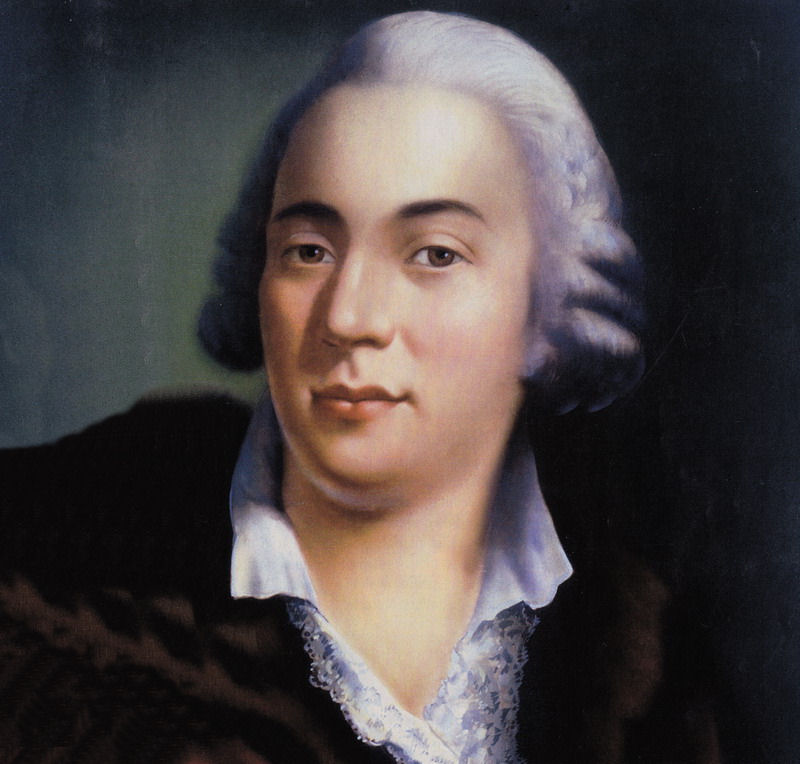
Given the fickle nature of sexual attraction, and the sometimes important consequences of people not having sex, it is not surprising that humans have long tried to tip the scales. Aphrodisiacs, substances meant to improve sexual function or increase sexual desire, have been discussed, prescribed and consumed since the dawn of history. Chinese, Indian, Egyptian, Roman, and Greek sources all have references to aphrodisiacs and so examples abound. The ancient Egyptians considered lettuce an aphrodisiac1 and Abu ‘Ali al-Husayn ibn Sina (or Avicenna) thought that a cake made of bird brains could also increase sexual desire. In the new world Aztecs considered chocolate useful for those struggling in the socially important obligation of producing lots of children and, more recently, Casanova reportedly breakfasted on oysters that he thought would endow him with the sexual stamina needed for his busy schedule of seduction and adultery.
It’s fair to say that most of those traditional aphrodisiacs weren’t subjected to the type of rigorous scientific investigation that we would expect in modern times. And maybe this isn’t a problem. If you think something has made you more virile maybe that’s enough. Confidence is supposed to be sexy after all, and when it comes to the libido, a complex intersection of biology and psychology, a placebo effect could be quite powerful for self belief and inspiring desire in others. But aphrodisiacs are also meant to improve sexual function and if there is a real medical condition then confidence won’t help you and, lets be honest, confidence can only go so far over the course of a long relationship. Science and technology may have made us gods on earth but we still have the same old problems. So lets have a look at what science says about some foods that may give us an edge in the bedroom.

One of the aphrodisiacs with the longest recorded usage is ambergris. An unlikely candidate to inspire love, it is a solid, waxy substance formed in the bile duct of the sperm whale and passed to the outside world via its anus2. Despite this somewhat gruesome origin ambergris has long been used not only in the production of perfume but also as a flavouring for food and drink; a breakfast of eggs and ambergris was reportedly a favourite of King Charles the II of England. Ambergris was considered to have the usual attributes of an aphrodisiac, stimulating sexual desire and enhancing sexual performance. Properties that could explain Charles II’s legendary randiness; known, as he is, for a huge number of affairs, trysts and one night stands during his 24 years on the throne of England.
Apart from some vague mentions of pheromones that could influence our hormonal system there is some scientific basis for ambergris’ aphrodisiac effect. One of the major components of ambergris is a molecule called ambrein, a triterpene alcohol. In rats, at least, this molecule does seem to have some effect on male sexual activity. To quote from a paper on the topic: “rats increased their number of penile erections in the absence of females, as well as increased intromissions and anogenital investigatory behavior in the presence of females”. I think what this is saying is that the rats got horny and were a lot more interested in the naughty bits of the female rats. They also had more sex as, for the romantics among us, ‘intromission’ is a technical term describing the insertion of the penis into the vagina during sexual intercourse. There aren’t any human studies but it sounds like male rats are pretty happy with ambergris.
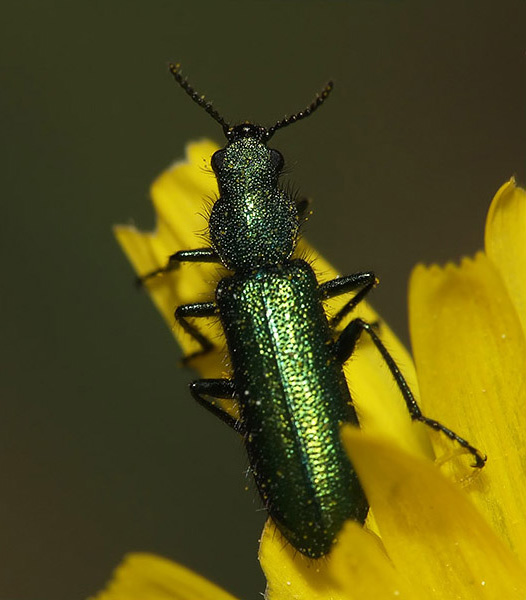
Spanish fly is also another reasonably well known aphrodisiac. A constant gag in low-budget comedy films from the 80s it continues the theme of animal substances being pressed into usage as an aphrodisiac. Spanish fly has been around for about 2000 years, particularly in Chinese and African pharmacopoeias, and it is produced by grinding up beetles from a family known as blister beetles, the Spanish fly (Lytta vesicatoria) being the most well known. These beetles secrete a toxin called cantharidin that dissolve the connections between human cells leading to blistering when applied to the skin. Despite it’s medical use as a treatment for warts, cantharidin, as you’d probably expect, is also fatal to humans in high enough dosages, fatalities being recorded for dosages between 10 mg and 65 mg.
Traditionally, cantharidin was also thought to have been an aphrodisiac and the fact that this substance needs very careful handling indeed doesn’t seem to have dented peoples enthusiasm for it at all. The Marquis de Sade, for example, was sentenced to death for feeding Spanish fly to two prostitutes at an orgy, almost killing them (he was reprieved on appeal). The problem with Spanish fly, apart from death, is that it isn’t really an aphrodisiac. Ingestion of cantharidin causes urethral irritation which may lead to a condition called priaprism in both males and females. If you don’t know what priaprism is, your innocence is over, as it is a condition of prolonged and painful erection of the penis. Woman also can be affected in which case the clitoris is similarly affected. Priaprism is unrelated to sexual arousal and studies in rats have shown no increase in sexual activity after treatment with cantharidin. Given the organs affected it’s not unlikely that priaprism may have led to the mistaken belief in the efficacy of Spanish fly as an aphrodisiac.

Tribulus terrestris a flowering herb found in temperate regions that has been used for a long time in Asia and Indian for a range of urinary problems as well as a sexual stimulant. In rats, at least, this has been confirmed with male rats showing increased sexual activity and enhanced erectile function3. But as a warning about extrapolating too much from animal models a study looking at healthy young adult human males there was no significant increase in testosterone, androstenedione, or luteinizing hormone levels after treatment with T. terrestris. Though with healthy young males I’m not sure how they could tell.
I could go on like this, a lot of different substances have been tested and found to either increase erectile function or sexual activity in male rats. Nutmeg, saffron, ginseng, Lepidium meyenii (MACA), Horny goat weed, Muira puama (potency wood), cloves, sage and Yohimbine have all been found to treat erectile dysfunction or increase sexual activity in rats, rabbits or humans. Clearly being a lab rat can have it’s benefits if you are in the right lab. What is missing here, though, is some research on woman. Admittedly it is easier to investigate erectile function and copulation frequency in male rats, which probably, at least partly, explains the preponderance of these type of studies in the research that I came across. Nonetheless, woman haven’t been completely ignored.

Ginseng is a potential aphrodisiac that has been investigated on woman. In a randomised, placebo controlled trial woman in the ginseng group reported higher arousal frequency, arousal level, and sexual satisfaction than the placebo group. Ginseng contains ginsenosides that can dilate arteries and so allow better blood flow. It can also stimulate nitric oxide production which has a similar effect. Increased blood flow can help with lubrication and clitoral stimulation which might be the reason for the reported effects; things are always better when the equipment is working properly. It only worked for post-menopausal woman, which is probably a case of ginseng restoring blood flow in older subjects. Blood flow gradually decreases as we age so ginseng might work for post-menopausal woman who have experienced a decline in blood flow due to age. It also had no effect on men, which seems fair given all the aphrodisiacs that men have to choose from.
Another candidate often talked about as a female aphrodisiac is chocolate. One study, in 2006, based on self-reporting of chocolate consumption reported a significantly higher sexual desire in woman who consumed chocolate. This effect disappeared when the results were controlled for age, and it was a self-reporting study, both for consumption and sexual desire, so the evidence isn’t strong. Chocolate does have phenylethylamine, a consequence of the microbial fermentation during production, and this compound is known to cause pleasurable sensations and affect serotonin and endorphin levels in the brain. But a 2021 study suggested that woman who ate more chocolate expressed less interest in sex, raising the possibility that chocolate was being used as a replacement for sex. A finding that has consequences for any Romeo hoping to inspire desire with the gift of chocolates.
All may not be lost though. Muira puama, also known as potency wood4, is a shrub, or small tree from the genus Ptychopetalum, found in the Amazon. It seems to have some libido enhancing effects for men, as well as improving erectile function of course, but a study on woman found a “statistically greater frequency and intensity of sexual desire and sexual intercourse, satisfaction with sex life, excitement of fantasies, ability to reach orgasm, intensity of orgasm, and frequency and excitement of sexual fantasies”. Which I think would all sound pretty good to me if I was a woman. For some reason the study on woman used combination of an extract from M. puama and Ginkgo biloba so we aren’t exactly sure what caused the reported sexual enhancement. Though most reports on M. puama involve it being mixed with other herbs, so maybe it was the gingko. Either way more study is needed.
Finally, what about alcohol? Probably the putative aphrodisiac that most of us have some personal experience with. The Irish traditionally used mead as an aphrodisiac but once again evidence of sexual enhancement by alcohol is pretty thin. Alcohol actually decreases peripheral blood flow decreasing sensation and inhibiting normal erectile function and vaginal secretions. So there is a lot of truth to the adage that alcohol increases desire but decreases performance. Not surprisingly, studies have shown that chronic alcohol usage only increases sexual dysfunction in males and females. So any sexual enhancement claimed for alcohol is probably related to the lowering of inhibitions and the impairment of judgement. Something unscrupulous people, predominantly men it is probably fair to say, have used to their advantage but that doesn’t really amount to what we would consider an aphrodisiac.
So what does all this mean. Most of the mechanisms I read about where things like arterial dilation, nitric oxide production and smooth muscle relaxation, basically meaning improved blood flow to the relevant areas. This makes me think the best aphrodisiac is to be young and healthy. It’s in old age that erectile dysfunction and failing blood supply becomes an issue. Once we are older then sure there are foods out there that can help, even though most have been studied in male biology. Nailing down improvements to our libido is a little more murky. Unlike blood flow or the mechanics of erectile function libido is a much more complicated thing. But there are wisps of evidence for things like gingko and M. puama in woman and any number of foods that seem to increase sexual activity in male rats. At the risk of sounding like an old school marm being as healthy as you can is probably the best aphrodisiac, so eat a good well balanced diet and get plenty of exercise. As we get older our bodies are not expecting to be reproducing so it’s almost inevitable that the libido is going to suffer, and there probably aren’t many foods that can help you with that too much. But nobody wants to hear that do they.
Footnotes
- Though the Greeks had the opposite belief that it killed sexual desire. I’d probably go with the Greeks on this as I can’t see a lettuce dinner cutting it for a first date. Having said that at least one researcher has a theory about these different attitudes to lettuce in the ancient world. ↩︎
- There is some controversy about this, some say it is vomited by the sperm whale and others think it collects in the rectum until it’s mass causes a fatal explosion of the rectum, either way I’m glad I don’t produce ambergris. ↩︎
- You may ask how scientists measure erectile function in rats that aren’t great at answering questionnaires? Well erectile capacity can judged using intracavernous pressure which is the pressure in the spongy erectile tissue in the penis called the corpora cavernosa. Researchers can measure this in treated rats and can thus determine the effects of a compound on their erectile function. I think this process is a real testament to the hard work of the scientists working this stuff out for us. ↩︎
- Writing this article I really had to repress the giggling school boy that exists in the heart of all men. ↩︎


 The Science of Food


.jpg)
Leave a comment