

Mithridates VI, King of Pontus, was one of the young Roman empire’s most feared and formidable enemies in the eastern Mediterranean. Respected by the Romans as a strong, intelligent and, most of all, cunning ruler, he also possessed a ruthlessness and a cruelty so well developed that, at various times during his reign, he put to death his mother, his siblings and his children. Over long years of war Mithridates1 was called many things by the Romans, the “enemy of Rome”, “a cruel, decadent oriental sultan” and finally, though only after having beaten him, “the Great”. But history has come to know him as “The Poison King” because, over a life time of study and experimentation, he also transformed himself into a master of poison.
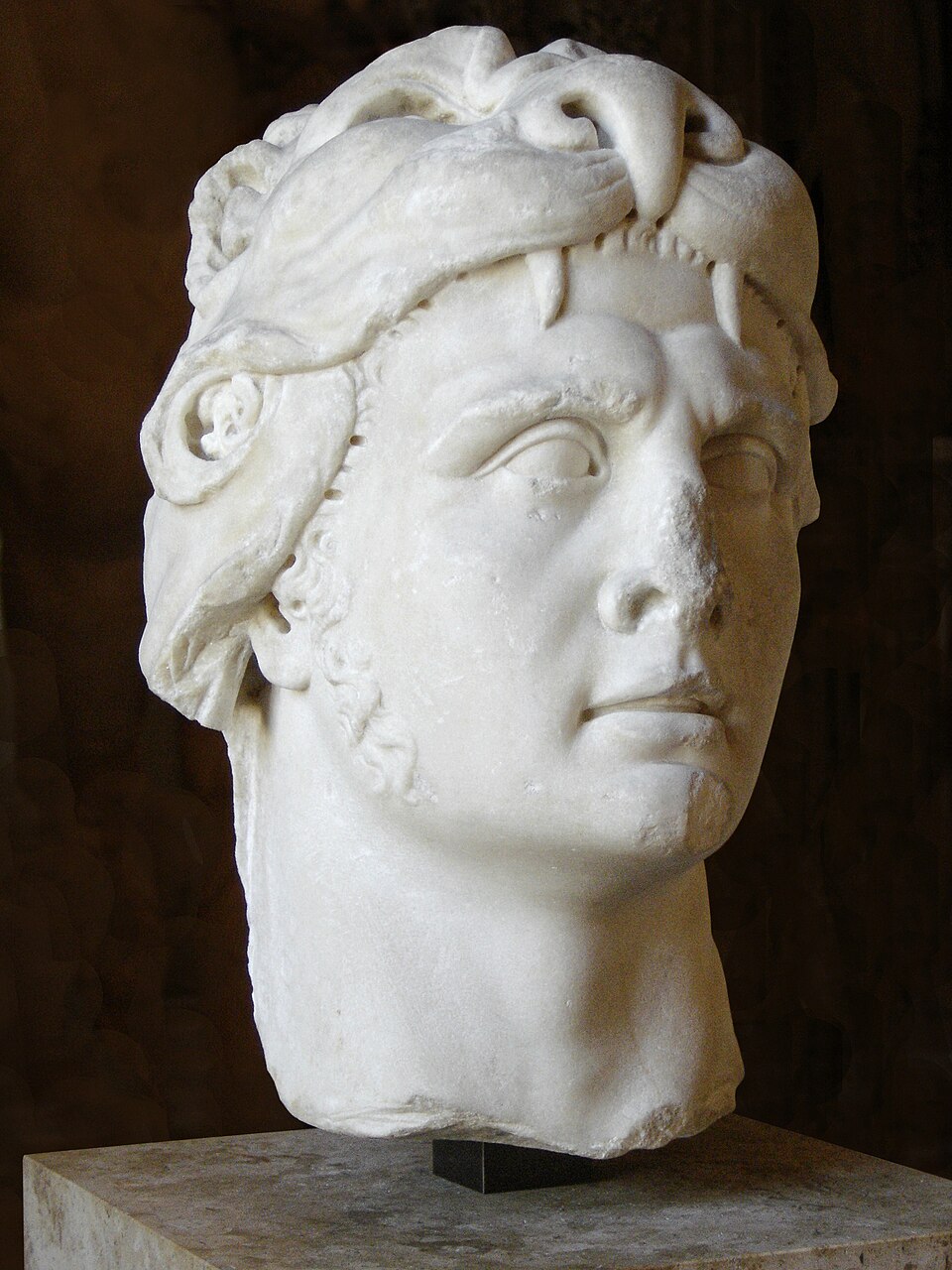
Mithridates not only amassed a renowned library of toxicological treatises but early in life, perhaps inspired by his father’s poisoning or his mother’s attempt to poison him, he started ingesting sub-lethal quantities of poisons so as to build immunity. He experimented widely with poisons and their antidotes, on himself and on condemned criminals, and towards the end of his life he was rumoured to have developed a universal antidote that could protect from any poison. The exact formulation of this antidote has been lost but when Mithridates, beaten by the Romans and overthrown by one of his surviving sons, tried to commit suicide poison had no effect and so a bodyguard was needed to run him through with a sword. A malady for which he had no antidote.
Before his demise though, when fighting the Romans, Mithridates was able to put his mastery of poison to good use in the field. The Greek geographer Strabo, in his work Geographica, tells the story of three Roman maniples2 that were wiped out after drinking bowls of “crazing honey” that had been left out for them. Mithridates, the master of poisons, knew that honey produced in parts of the Caucasian mountains would disorientate and sicken any who ate it. So the Romans, after drinking Mithridates’ honey preparation, were easy pickings and were soon dispatched. This incident further enhanced the legend of Mithridates, for both cunning and poisoning, though, it must be said, there did seem to be a gaping hole in Roman military training: don’t drink mysterious drinks left by the side of the road while in enemy territory, even more so if you are fighting someone called ‘The Poison King’.
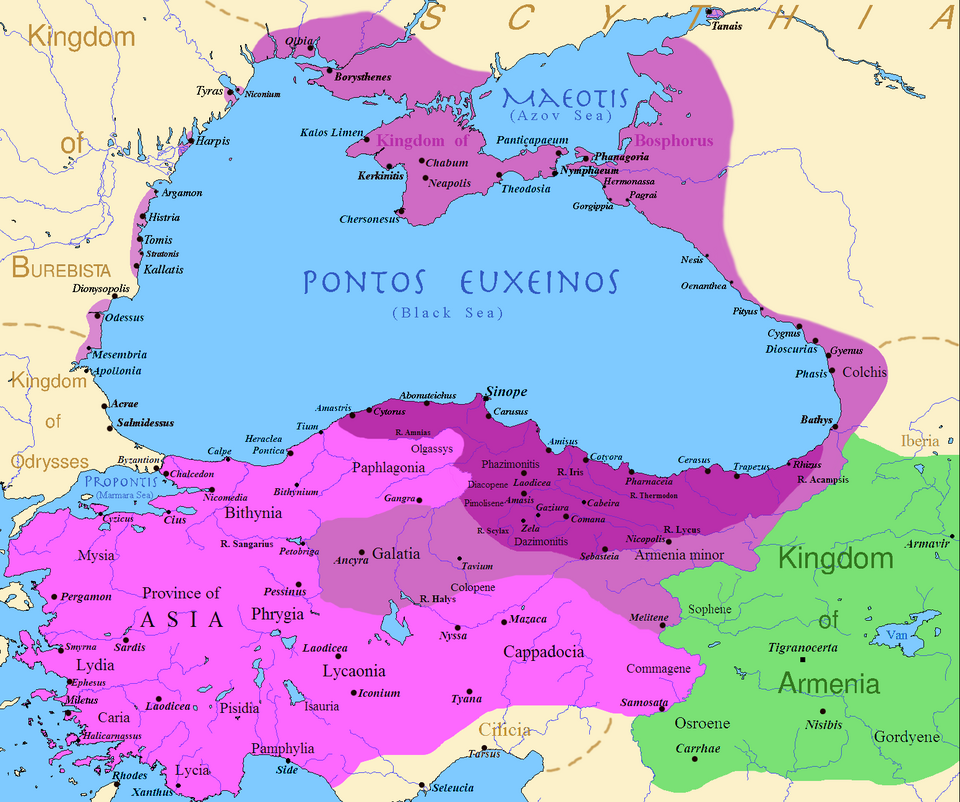
These days, though far from common, what we now call “mad honey” can still be found and honey intoxication can still occur, particularly in the Black Sea region of Turkey, roughly the same area where Mithridates was active 2000 years ago. We also, despite Mithridates learning, probably have a better understanding of what causes mad honey and it comes down to the relationship plants have with their pollinators. See as much as we enjoy eating honey, we’ve been cultivating bees for over 4,000 years, honey really doesn’t have anything to do with us. Honey is made from nectar and the main point of nectar, from the plants perspective, is to attract pollinators, like bees, that will pick up pollen from the flower and fertilise other flowers that they visit.
If a plant goes to all the effort of making a flower so it can reproduce the last thing it wants is some other animal eating that flower. To prevent this plants will sometimes produce toxins that discourage mammals from eating parts of the plant that it would rather they didn’t. We’ve seen this before with chillies. Plants want birds to eat chillies, not mammals, so they pack chillies with capsaicin. Birds are immune but it is capsaicin that gives chillies their fire in mammalian mouths. Plants also don’t want animals to eat their flowers so some species make toxins that are toxic to, say, mammals but harmless to pollinators like bees. When combined with nectar the plant is trying to discourage animals from eating the flower while encouraging pollinators to visit3. In their masterly use of toxins plants put even Mithridates in the shade.
It was this chemical warfare that Mithridates took advantage of to the detriment of the legions. The “crazing honey” used by Mithridates comes from some geographically remote parts of the Caucus mountains. Bees in this region have a limited range and the flora of the region is dominated by various species from the Rhododendron family. These plants produce toxins called grayanotoxins that are harmless to bees but in humans they block sodium channels interfering with the propagation of nervous signals. In small doses grayanotoxins cause mild symptoms like dizziness, weakness, excessive perspiration, hypersalivation, nausea, vomiting and paresthesias (a feeling of numbness or pins and needles) but in higher doses they can lead to cardiac complications that can be lethal.
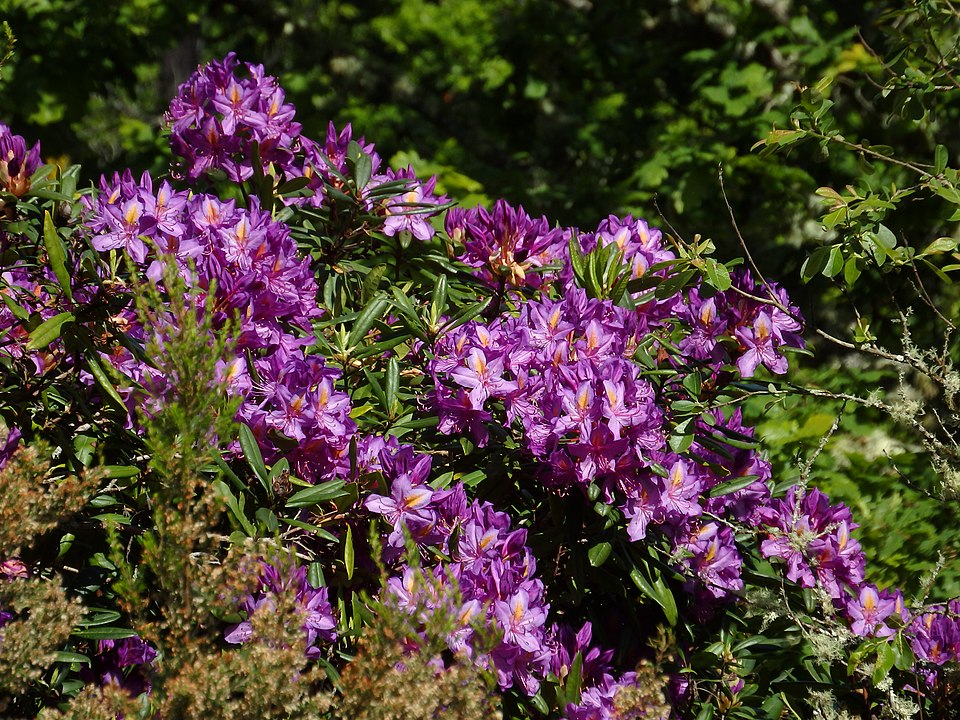
Now if someone were to eat one of these Rhododendron flowers they would likely only experience some mild symptoms. To take out a Roman legionary you probably need something a little stronger and this is where the honey comes in. Mithridates used honey from these regions were bees predominantly collected their pollen from Rhododendron flowers and bees produce honey primarily by concentrating the nectar. Bees made Mithridates job a lot easier as they collected grayanotoxins from many different flowers and concentrated them into a single, convenient source.
Bees don’t this for us they make honey for themselves, it is meant to be a long term store of food for the hive, and, just like us, they need to preserve their food if they want to store it for any length of time. Nectar is a watery mix of of sugars, mostly sucrose, fructose and glucose, and as such it is also an attractive food source for bacteria. So to protect their nectar from spoilage bees have two strategies. Firstly, just like making beef jerky, they dry the nectar down. They remove the water content making it much harder for bacteria to survive in the honey. The second is chemical warfare, they secrete an enzyme called glucose oxidase that converts some of the glucose to gluconic acid, which lowers the pH, and hydrogen peroxide, an anti-bacterial molecule.
This process of making honey begins at almost the same time as it is collected. Bees collect nectar from specialised organs in flowers called nectaries that are usually found towards the base of the petals, sepals or other floral parts. To extract the nectar the bees use their long proboscis to suck it up into a specialised expansion at the end of the oesophagus called the honey sac. The honey sac sits at the beginning of the digestive tract and it can stretch to accommodate nectar, so it is a little bit like a stomach. Once collected the bees secrete not only glucose oxidase into the honey but also other enzymes that break down sugars and starches into glucose and fructose.

Back in the hive the worker bees pass the nectar to the house bees who continue the process of making honey. Initially the house bees repeatedly regurgitate the nectar, forming small droplets of honey on their proboscis from which water evaporates. When the water percentage gets down to around 40% the bees spread it over the honeycomb and the fluttering of their wings, over about three weeks, further evaporates the nectar till it is less than 20% water. At this stage the bees pack it into honeycomb cells and plug it with a wax cap.

It is this process of evaporation that leads to mad honey. Though an individual flower may not have an awful lot of grayanotoxins, by the time the bees have collected nectar from potentially thousands of flowers the concentrated honey can have much higher levels of toxin. By my rough calculations, there can be up to a 30 times increase in the concentration of grayanotoxins in honey compared to the dry weight of flowers (I based this on numbers from reports here, here and here, though it is a very rough calculation and much depends on species and honey).
There is nothing about this process that is unique to grayanotoxins and there are other examples of toxic honey that Mithridates would have been very interested in. In New Zealand there are rare cases of honey poisoning involving the convulsive neurotoxin tutin. It is an antagonist of the glycine receptor which is an inhibitory neurotransmitter that ‘dampens’ neural activity in the brain and spinal cord. By blocking the activity of this receptor tutin prevents inhibitory signalling leading to excessive neuronal firing and thus convulsions.
Interestingly, though tutin is found in the tutu plant (Coriaria arborea) it is not found in the pollen or nectar so it was a bit of a mystery how it was getting into honey. It was eventually found that another insect feeds on the sap of the tutu plant, which contains tutin, and secretes honeydew that the bees consumed as an alternative food source, contaminating the nectar in their honey sacs. Tutin poisoning is still a concern in New Zealand, especially for small producers with a limited number of hives, the most recent outbreak occurring in 2008 when 22 people were affected, the last death occurring in 1974 (there’s a case report on the 2008 outbreak here if you are interested).

If you looking around the internet you’ll also find some reports that, despite being non-toxic itself, the honey made from the flowering weed Tecoma stans is toxic. I couldn’t find a single report of this in the scientific literature so I’m not sure if this is really a thing. Likewise there are claims that morphine can make it’s way into honey when grown in areas with large amounts of poppy cultivation. Once again I couldn’t find any scientific reports on this and given that morphine is not in the nectar of poppy flowers, it comes from the latex of the poppy seeds, it’s questionable that biologically relevant levels of morphine could be in the honey. But, as with tutin, strange things can happen in biology so never say never.
Despite all this, if you enjoy honey, there is no real need to worry. Honey intoxication is very rare and mostly occurs in Mithridates old stomping ground in Turkey. Though Rhododendrons are common across the world not all of them express significant levels of grayanotoxins. Commercial honey is regularly tested for toxins, especially in New Zealand, and most commercial brands are a blend of honey from multiple hives which dilutes potential toxin contamination. The risk is usually from small honey producers with a limited number of hives in areas with plants containing possible toxins. In those conditions it is worth knowing that there is a small risk (especially in New Zealand or Turkey).
Ultimately the hard work of the bees in dehydrating and concentrating nectar is why we have honey at all and it also explains why the flavour of honey can vary so much from place to place. Apart from toxins, that are rare, nectar can also contain antioxidants, aromatics and acidic compounds that contribute to the nutritional value and flavour of honey. Each nectar has a characteristic mixture of these flavour compounds that makes single source honeys distinctive. Esters (fruity), aldehydes (floral), diacetyl (buttery) amongst many others all contribute to the distinctive flavour of a honey. It is fortunate that toxins are relatively rare in nectar so we are free to enjoy our honey without the consequences that the Roman legionaries suffered 2000 years ago at the hands of the Poison King and his mad honey.
Footnotes
- Mithridates, the latin form of the name, can also be spelt as Mithradates, the Greek form, which is gaining precedence because Mithridates used this form on his own coins. I’ve used the Roman form in this article because I didn’t know any of this till I’d almost finished writing the post. ↩︎
- A maniple was the primary unit of the Roman legions mainly during the republic. It was later replaced by the cohort. ↩︎
- I’ve simplified things somewhat. Because of their strong interdependence plants and their pollinators are an interesting and complex example of co-evolution. In the context of this relationship plants may use complex strategies, and make various trade-offs, to exclude organisms that want to consume their nectar but do not pollinate other flowers. There is a good discussion of this in the introduction of this paper. ↩︎


 The Science of Food


Leave a comment