
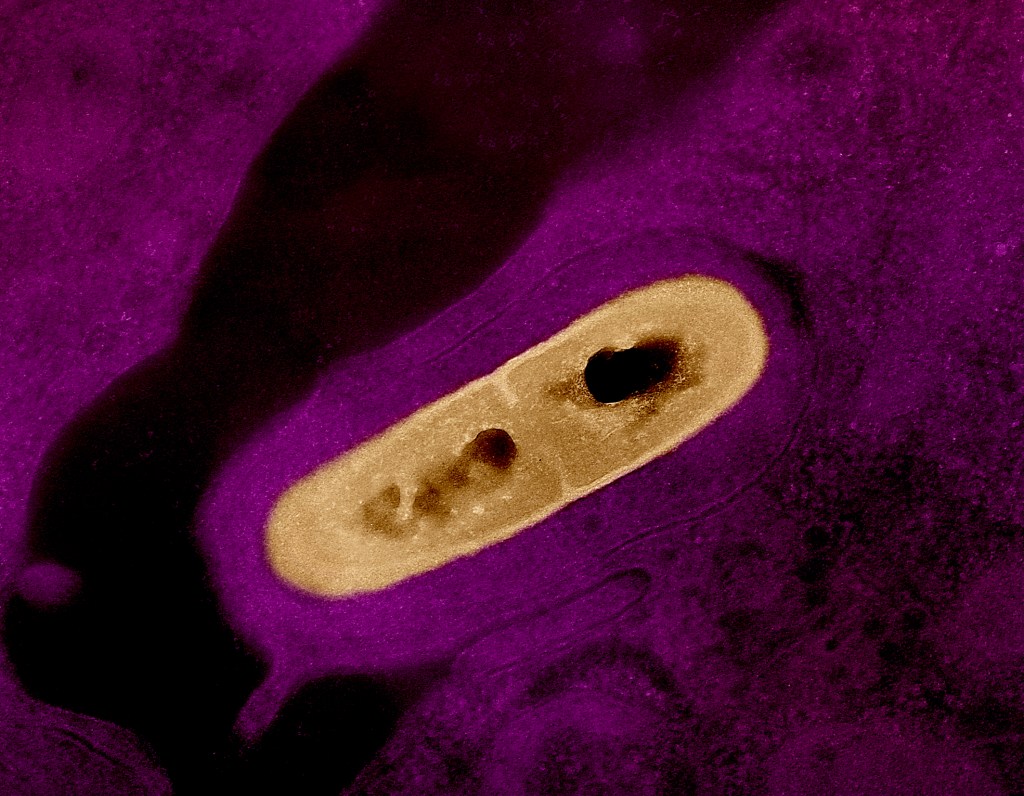
An outbreak of Listeria in Ireland is a good reminder of how dangerous this particularly nasty bacteria is to our food supply. The species that infects humans, Listeria monocytogenes, is abundant in soil, stream water, sewage and on plants which means it can easily contaminate our food and become a real danger in items that are not typically cooked before eating. Think ready-to-eat salads, seafoods, cheeses and deli meats. Bagged lettuce for example can easily be infected by Listeria from the soil unless good standards of hygiene are maintained. The same goes for unpasteurised milk.

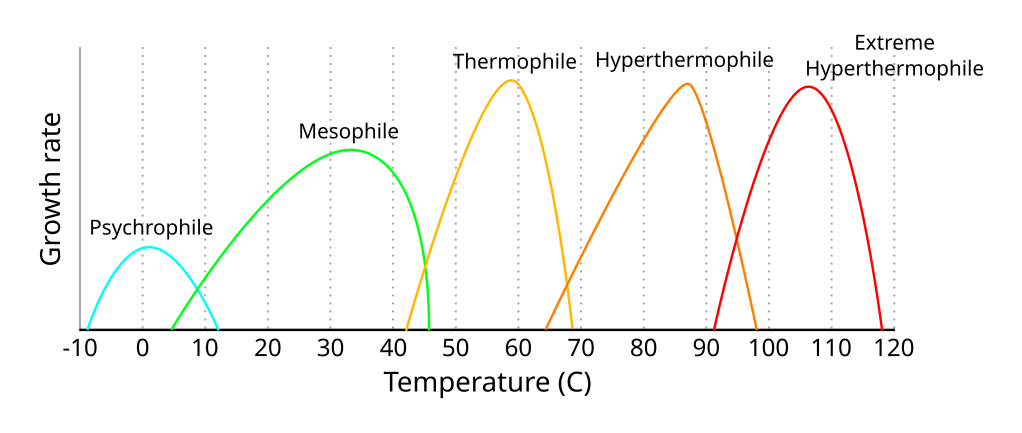
What makes Listeria particularly pernicious is that it can reproduce at 4C. I recently wrote a post about bacterial growth and in that post I talked about how most bacteria that are a risk for food poisoning are mesophiles that grow best between 10-35C. Listeria is unusual in that it can grow at lower temperatures. This means food that is not kept below 4C through the entire logistics chain can have enough Listeria to cause illness or death. This logistics chain not only includes the production and transportation of food to your local supermarket but also the way you handle your food after you’ve bought it and before it’s eaten.
An emerging source of Listeria infections are ready-to-eat meals and this seems to be the cause of the outbreak in Ireland. If your ready-to-eat lasagne or curry is infected in the factory and then not kept below 4C then Listeria can grow to dangerous levels. Moreover, if you don’t heat the meal thoroughly, remembering the decimal reduction time for Listeria, then you are running the risk of food poisoning. One person died in the Ireland outbreak and, just in Australia, there are 60-70 cases per year causing about 15 deaths (see here). Many of these are from ready-to-eat meals.
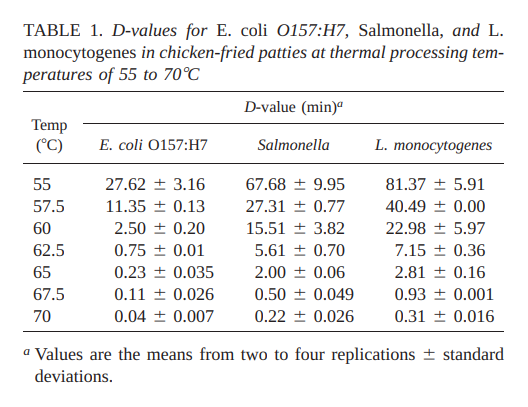
So how can you lower the risk of food poisoning by Listeria? For fresh produce buy from reputable sources, keep it below 4C and wash thoroughly before eating. If you’re pregnant maybe stop eating pre-packaged salads altogether or eat them immediately after purchase. Cheese and deli meats will always be a problem and the only real safeguard is to buy from reputable sources. For ready-to-eat meals, as I said above, make sure you reheat them thoroughly, to kill the bacteria, and keep them below 4C at all times to limit the opportunity for any Listeria present to reproduce.
I keep saying ‘keep the food below 4C’ and to do that you need to be careful about your refrigerator. Your typical household fridge should keep food below 4C and above 1C, but there are some things you should do to make sure you aren’t sabotaging your fridge’s ability to keep your food cold. These include, not over-packing, which can cause temporary increases in temperature, making sure your seals are good, so cold air is not leaking out, and, of course, don’t leave the door open too long while wondering what you can snack on.
Will these things guarantee safety? Probably not. But they will greatly reduce your chances of experiencing food poisoning and this risk reduction is not too onerous, all I’m really saying is buy from trusted sources, keep your food cold and cook it properly.


 The Science of Food

Leave a comment